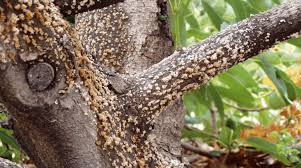
Catching tree disease early is crucial, as a sick tree may not show obvious signs like falling branches or brown leaves until the damage is severe. Early detection can save you thousands in removal costs, protect other plants, and prevent property damage.
Why Tree Health Matters More Than You Think
Healthy trees do more than look good. They provide shade that lowers cooling costs, improve air quality, and offer habitat for birds and beneficial insects. A well-maintained landscape can reduce your energy bills by up to 25% during hot months.
On the flip side, a diseased tree becomes a liability. Weakened branches can snap without warning during storms. Root rot can cause an entire tree to topple, potentially damaging your home, car, or power lines. Infestations can spread to neighboring trees, turning one problem into several.
Regular inspections help you catch issues before they escalate. Most tree diseases progress slowly, giving you time to intervene with pruning, treatment, or—if necessary—removal.
Common Visual Indicators of Distress
Your tree’s leaves are often the first place disease shows up. Discoloration, unusual spots, or premature leaf drop can all signal trouble.
Leaf Discoloration and Patterns
Healthy leaves should display consistent color throughout the growing season. Yellow, brown, or spotted leaves outside of fall may indicate fungal infection, nutrient deficiency, or pest damage. Rust-colored spots often point to fungal diseases, while yellowing between leaf veins suggests a lack of iron or magnesium.
Stunted Growth and Sparse Foliage
If new shoots seem smaller than in previous years, or if the canopy looks thinner, the tree may be struggling to absorb water or nutrients. Root damage, soil compaction, or disease can all limit growth. Compare current photos to ones from past seasons to spot gradual changes.
Wilting or Curling Leaves
Leaves that curl, wilt, or droop—even when the soil is moist—can indicate vascular disease. This type of infection blocks the tree’s ability to transport water, causing leaves to suffer despite adequate hydration.
Identifying Trunk Damage
The trunk is your tree’s structural backbone. Damage here can compromise the entire tree’s stability.
Fungal Growth and Conks
Mushrooms, conks, or shelf-like fungal bodies growing on the trunk are red flags. These fungi feed on decaying wood, meaning the interior of your tree is already rotting. Conks don’t appear until the decay is advanced, so their presence warrants immediate professional evaluation.
Deep Cracks and Splitting Bark
Vertical cracks may form naturally as trees age, but deep splits that expose inner wood can invite pests and pathogens. Horizontal cracks or bark that peels away in large sections often indicate stress from drought, extreme temperature shifts, or disease.
Oozing Sap or Discolored Patches
Excessive sap flow, especially when accompanied by foul odors, can signal bacterial infection. Dark, wet-looking patches on the bark may indicate slime flux or other bacterial diseases that weaken the tree’s structure.
Root System Red Flags
Roots anchor your tree and absorb nutrients. Damage below ground often manifests in visible ways above it.
Soil Heaving and Exposed Roots
If the soil around your tree’s base appears raised or uneven, roots may be decaying and losing their grip. Exposed roots are more vulnerable to damage from mowers, foot traffic, and temperature extremes.
Mushroom Clusters at the Base
Mushrooms growing around the base of your tree often indicate root rot. Fungi break down dead or dying roots, destabilizing the tree. If you notice clusters appearing after rain, schedule an inspection soon.
Poor Drainage and Waterlogged Soil
Roots need oxygen to function. Constantly wet soil suffocates roots and creates conditions favorable to rot. If water pools around your tree for more than a day after rain, consider improving drainage or consulting an arborist.
Seasonal Changes vs. Disease: Knowing the Difference
Not every brown leaf means disease. Trees naturally shed foliage, slow their growth, and change color with the seasons.
Normal Autumn Leaf Drop
Deciduous trees lose their leaves every fall. This is healthy and expected. However, if leaves drop in spring or summer, or if only one section of the tree is affected, disease or stress may be the cause.
Drought Stress vs. Root Rot
Both conditions cause wilting and browning, but their treatments differ. Drought stress usually affects the entire tree evenly, while root rot often starts in isolated areas. Check soil moisture before assuming the worst.
Insect Damage vs. Fungal Infection
Chewed leaves and visible bugs suggest pests, while powdery coatings, spots, or cankers point to fungal issues. Some insects spread disease, so addressing pest problems quickly is essential.
Steps to Take After Detection
Finding signs of disease doesn’t mean your tree is doomed. Quick action can often reverse or slow the damage.
Prune Affected Areas
Remove dead, diseased, or damaged branches to prevent further spread. Use clean, sharp tools and disinfect them between cuts to avoid transferring pathogens. Prune during the tree’s dormant season when possible.
Test Your Soil
Nutrient imbalances and pH problems can weaken trees and make them more susceptible to disease. A soil test reveals deficiencies and allows you to amend the soil appropriately. Most extension offices offer affordable testing services.
Consult a Professional
If you’re uncertain about the severity of the problem, contact a certified arborist. Professionals can diagnose diseases accurately, recommend treatments, and safely remove trees if necessary. For comprehensive care and expert advice, consider reaching out to tree services in Salt Lake City or a similar provider in your area.
Preventive Care Tips to Boost Tree Immunity
Prevention is easier and cheaper than treatment. A few proactive steps can keep your trees healthy for decades.
Water Deeply and Infrequently
Shallow watering encourages weak, surface-level roots. Water deeply once or twice a week during dry spells to promote strong root systems.
Mulch Properly
A 2- to 4-inch layer of mulch around the base of your tree helps retain moisture, regulate soil temperature, and suppress weeds. Keep mulch a few inches away from the trunk to prevent rot.
Avoid Mechanical Damage
Lawnmowers and string trimmers can nick bark and create entry points for pests and disease. Maintain a grass-free zone around the trunk, or use mulch to protect the base.
Monitor and Inspect Regularly
Walk around your trees every few months. Look for changes in leaf color, bark texture, and overall shape. Early detection is your best defense.
Conclusion
Tree disease can sneak up on you. What starts as a few yellow leaves can quickly become a safety hazard and a financial burden. Regular inspections, prompt action, and preventive care will keep your landscape healthy and your property safe.