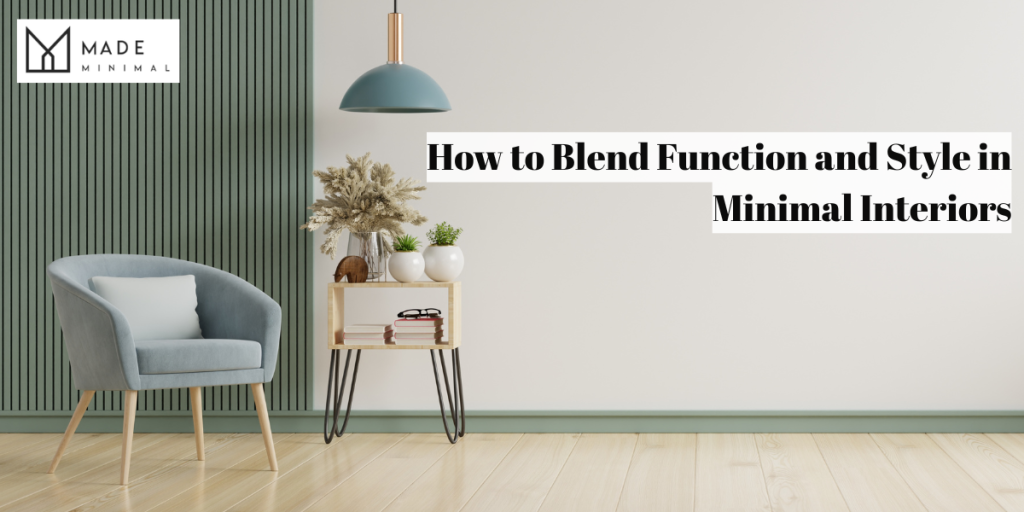
You can blend function and style in minimal interiors by choosing pieces that do double duty and look good at the same time. This means every item in the room should earn its spot. The result is a space that feels calm but still handles your daily routine with ease.
At www.mademinimal.com.au, we’re a Brisbane-based team that sources functional furniture and lighting for Australian homes at affordable prices. We understand that there can be a gap between people’s Pinterest inspiration and what’s practical in real life. That’s why we focus on pieces that bring style without sacrificing practicality.
So how do you create a minimalist home that serves your family’s needs while still looking relaxed and put together? In this article, we’ll look at why this balance is hard to get right and share practical tips you can use in your own space.
Let’s start by showing you how to create a plan for every room in your minimalist home.
How to Plan a Minimalist Interior Design for Every Room
Minimalist interior design is easiest to get right when your plan balances how things look with how they function. Before buying anything, think about what each room needs to do for you. Here’s how you can build that foundation.
Understand the Minimalist Design Style
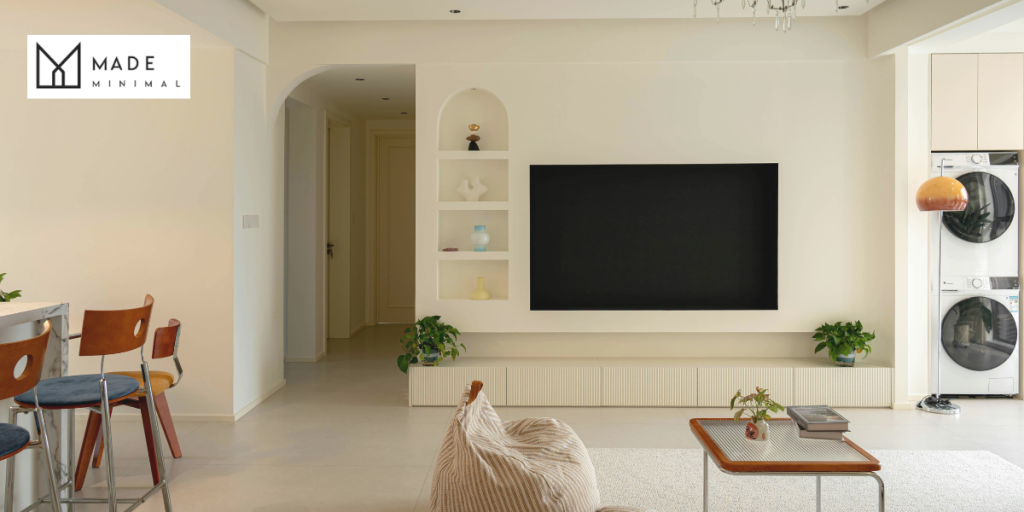
Minimalist design style is all about clean lines, neutral colour palettes, and spaces that feel purposeful rather than cluttered. Every piece in the room should have a reason for being there, and the overall effect should feel calm and easy on the eyes.
But we’ve met a lot of people who think minimalism means bare walls and all-white furniture (basically, a cold, clinical atmosphere with no personal touches). That’s actually a big misconception.
You don’t need to strip your home down to nothing or spend a fortune to achieve this look. For Australian homeowners, we’ve seen how that warmth and simplicity can work beautifully together.
One way to add interest without clutter is to use natural materials, like timber, stone, or linen, which can bring texture and a sense of calm to a room. The most important thing is to focus on quality over quantity.
Define Your Space’s Focal Point
Every room needs a focal point that highlights what the room is for, rather than just decoration for the sake of filling space. You can think of a focal point as your visual anchor. It’s the first thing your eye lands on when you walk into the room, and it sets the mood for everything else around it.
Start by considering how you actually spend time in that room. For example, in a lounge, the focal point might be a comfortable sofa where everyone gathers. In a dining area, a simple timber table usually serves as the center for meals and conversation.
After choosing your anchor piece, arrange the other furniture around it so movement feels easy and each piece is functional and accessible. This approach keeps the space uncluttered because every item supports the main piece instead of competing for attention.
Think Room by Room
Different rooms have different jobs, so your approach to home design should change depending on the space. A living room, for example, should feel welcoming and encourage easy movement and conversation. Soft textures like cushions, rugs, and throws, along with open walkways and a comfortable seating area, all can help create that kind of atmosphere.
Kitchens, on the other hand, need a more practical setup with hidden storage and dedicated work zones that keep your benchtops tidy. If every utensil and appliance has its own spot, it’ll be easier to cook and cleaning up will also go much faster.
Bedrooms are a different story altogether. They should feel restful and uncluttered, but not cold or uninviting. For this, we recommend a lamp or dimmable overhead light, and breathable cotton or linen sheets with a comfortable duvet.
Pro tip: Try to only keep a few furniture pieces like a bed, bedside table, and dresser, to properly relax at the end of a long day.
Minimalist Home Design Tips That Fit Busy Lifestyles
The best minimalist design tips are the ones that fit into your daily lifestyle. Because homes come with mess, kids, pets, and packed schedules that don’t pause for aesthetics.
Below, we’ll share some practical ways to make minimalism fit into your daily life.
Choose Functional Furniture
Functional furniture is what makes minimalist living possible because it helps you do more with fewer pieces. Beds with built-in drawers, for example, give you extra storage without taking up more floor space.
You can also find fold-out desks that collapse completely against the wall when not in use. Or choose ottomans with hidden compartments that you can use to keep blankets or toys out of sight.
Now we understand if you’re guilty of buying something trendy whenever you go shopping, but that oversized faux fur throw? It won’t last more than a few months before looking worn.
Bottom line, a well-made sofa in a neutral colour will look good for years. While something flashy might feel dated by the next season.
Natural Light and Texture
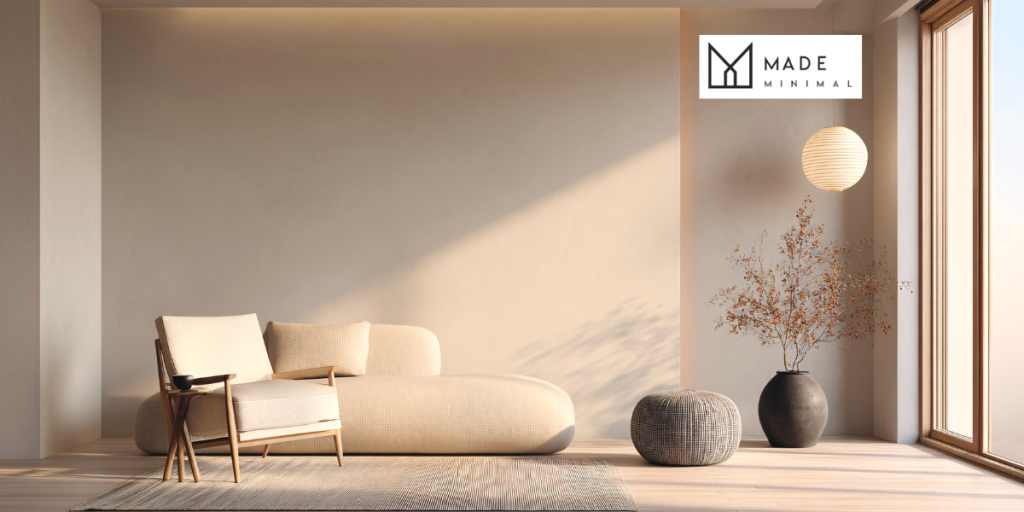
Natural light has the power to make any room feel brighter, and more welcoming. In fact, research shows that homes with more daylight make people feel happier.
To get the most out of it, keep your windows free from heavy drapes and choose sheer curtains instead. And if your home has the option, add skylights (or windows installed in the roof) to bring sunlight into darker areas of your home.
Good lighting also helps show off the shape and flow of your space. We recommend pairing this natural light with textures like linen, wool, or raw timber to give the room more warmth. This balance is what stops minimalist spaces from looking cold or uninviting.
Maintain a Minimalist Home Without Feeling Overwhelmed
Now, how do you keep your minimalist home tidy? It all comes down to creating simple systems that do most of the work for you.
For example, you can add a drop zone near the front door for keys and bags, or a few baskets in the lounge for quick tidying. The old “one in, one out” rule can also keep your surfaces clear and prevent clutter from building up.
Weekly resets can keep things from piling up as well. Just spend twenty minutes every week putting items back where they belong, and your whole house will feel fresh again.
Plus, hidden storage, like drawers under the bed or closed-front cabinets, can keep everyday clutter out of sight. These small habits can be particularly great for families, pet owners, and anyone with a busy life.
Blend Style and Function in a Minimalist Home
Does creating a minimalist home feel a bit more doable now that you’ve read through our guide?
If you’re still not sure where to start, don’t stress. Home design is something that happens over time, and a little trial and error is part of the process. Nobody gets everything right straight away, so give yourself room to experiment and learn as you go.
We recommend starting with just one room instead of trying to change everything at once. Focus on the things you use every day and let your minimalist style grow from there. And remember, natural light and open space can easily make your rooms feel brighter, bigger, and more inviting with less effort.
When you get a chance, take a slow walk through your home and look at it with fresh eyes. Ask yourself what could be removed, simplified, or rethought to suit your minimalist design style better.
If you’re ready to find functional pieces that match the look you’re going for, take a look at our collection at Made Minimal. We’d love to help you bring your minimalist home to life.